
Favorite Products For Siding Installation Projects For Reliable Results
Browse through popular siding products that combine quality and affordability to meet the demands of any installation project.
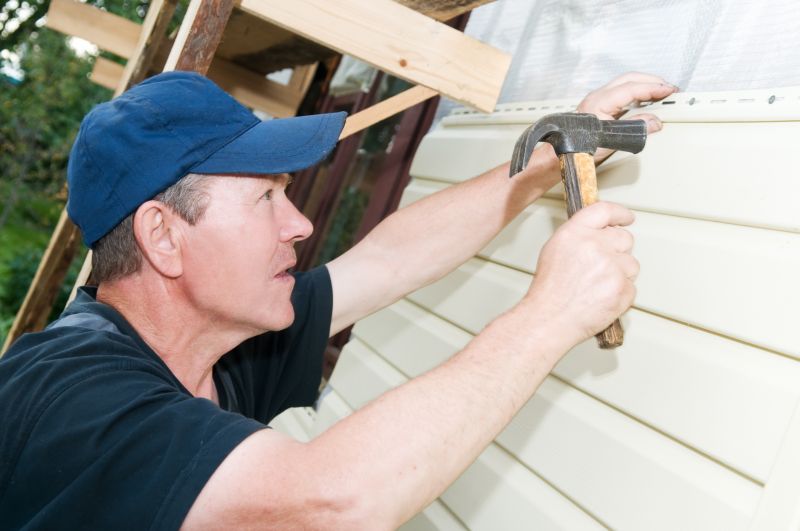 Selecting the right products for siding installations is essential for ensuring durability, aesthetic appeal, and ease of installation. Siding materials and accessories come in a wide variety of options, each suited to different building styles and functional needs. From traditional materials like vinyl and wood to modern composite options, the choice of products can significantly influence the longevity and appearance of a building's exterior. Proper installation products also include a range of tools and accessories designed to facilitate a smooth and secure application.
Top Overall Option
Versatile Siding Installation Kit
A comprehensive siding installation kit that includes a selection of fasteners, sealants, flashing, and tools designed for a variety of siding materials. This all-in-one set offers versatility and convenience, making it suitable for both DIY projects and professional installations. Its compatibility with multiple siding types ensures a seamless application process and durable results.
Types of Products For Siding Installations
Vinyl Siding Panels
Flexible and easy to install, vinyl siding panels are popular for their low maintenance and variety of styles.
Wood Siding Boards
Traditional and natural-looking, wood siding offers aesthetic appeal but requires regular upkeep.
Fiber Cement Siding
Durable and resistant to pests and weather, fiber cement siding provides a long-lasting exterior option.
Metal Siding Sheets
Lightweight and weather-resistant, metal siding is often used for modern or industrial building styles.
Engineered Wood Siding
Manufactured for enhanced durability, engineered wood siding mimics natural wood with less maintenance.
Insulated Siding Panels
These panels combine siding with insulation, enhancing energy efficiency and reducing thermal bridging.
Lap Siding Boards
Characterized by overlapping horizontal boards, lap siding provides a classic exterior look.
Shingle Siding
Shingle siding offers textured, layered aesthetics suitable for various architectural styles.
Corner Posts and Trim
Used to finish edges and corners, these accessories ensure a clean, professional appearance.
Flashing and Weatherproofing
Critical for preventing water infiltration, these products are installed behind siding to direct moisture away.
Sealants and Caulks
Sealants provide a weather-tight seal around joints and edges, enhancing siding performance.
Fasteners and Nails
Specialized fasteners ensure secure attachment of siding panels and accessories, suitable for various materials.
Underlayment and Backer Boards
These layers provide additional support and moisture barrier beneath siding materials.
Tools for Siding Installation
Including nail guns, levelers, and cutting tools, these facilitate efficient and precise installation.
Ventilation Products
Vents and louvers help maintain airflow behind siding, preventing moisture buildup.
Decorative Accessories
Moldings, trims, and accents enhance the aesthetic appeal of siding installations.
Popular Choices
Widely used for their affordability and ease of installation, vinyl siding panels are a common choice for many projects.
Known for its durability and low maintenance, fiber cement siding continues to be a popular option among homeowners.
Offering the look of natural wood with enhanced resistance, engineered wood siding is trending for its versatility.
Metal siding's modern appearance and weather resistance make it a favored choice for contemporary designs.
Combining insulation with siding, these panels are increasingly selected for energy-efficient projects.
Shingle siding provides textured visual interest and is popular for its classic appeal.
Traditional lap siding remains a common choice for its timeless look and straightforward installation.
Essential for finishing siding edges, these accessories are frequently selected for professional-looking results.
Key components for moisture management, these products are crucial in many siding installations.
Used to seal joints and edges, these products are standard in most siding projects.
Specialized fasteners ensure secure attachment and are frequently chosen for different siding types.
Essential tools like nail guns and cutting equipment are commonly used for efficient installation.
When considering siding installation, it is important to evaluate the compatibility of products with existing structures, climate considerations, and maintenance requirements. Quality installation components such as flashing, sealants, and fasteners help prevent water infiltration and damage, contributing to the overall performance of the siding system. Additionally, specialized tools and accessories can streamline the installation process, making it more efficient and reducing potential errors.
Durability and ease of maintenance are key factors in selecting siding products. Weather-resistant materials can withstand exposure to sun, rain, and wind, while low-maintenance options reduce ongoing upkeep. For DIY enthusiasts and professional contractors alike, having access to a comprehensive range of compatible products ensures that every aspect of the siding project is covered, from surface preparation to finishing touches.
Ultimately, choosing the right products for siding installation involves balancing aesthetic preferences, functional requirements, and budget considerations. Investing in quality materials and accessories can lead to a more resilient and visually appealing exterior that meets the specific needs of the building and its environment.
Key Buying Considerations
- Compatibility with existing or planned siding materials to ensure proper adhesion and performance.
- Durability and resistance to weather elements such as rain, wind, and sun exposure.
- Ease of installation, especially if undertaking a DIY project, including availability of compatible tools.
- Maintenance requirements and the expected lifespan of the products.
- Compatibility of accessories like flashing, trim, and fasteners with the primary siding material.
- Thermal properties, such as insulation value, if energy efficiency is a priority.
- Aesthetic options, including color, texture, and style to match or enhance the building design.
- Moisture management features like ventilation products or water-resistant barriers.
- Availability of accessories for finishing edges, corners, and transitions for a professional look.
- Cost considerations balanced with quality to ensure value over the long term.
- Environmental conditions of the installation site that may influence material choice.
- Local building codes and regulations that specify certain materials or installation methods.
- Supplier reputation and availability of customer support or warranties.
- Compatibility with existing structural elements to prevent installation issues.
- Potential for future upgrades or modifications to the siding system.